Brake noise is one of the most common car worries, and one of the most misunderstood. Some drivers ignore a grinding sound for months. Others worry about a squeak that disappears after two stops every morning. Both are reasonable reactions if nobody ever explained the difference.
Squeal, grind, or morning noise?
What the sound usually means
| Light scrape for the first few stops, then gone | Surface rust on the rotors from rain or humidity. Usually normal. |
| High-pitched squeal while braking that keeps coming back | Often the pad wear indicator. Time to book a brake check. |
| Squeal or squeak that comes and goes with no pattern | Pad glazing, dust, or hardware that needs cleaning or lubrication. |
| Grinding, especially metal on metal | Pads may be worn through. Get it looked at right away. |
| Noise plus a pull to one side | A sticking caliper or slide. Needs inspection. |
Rust after rain is normal
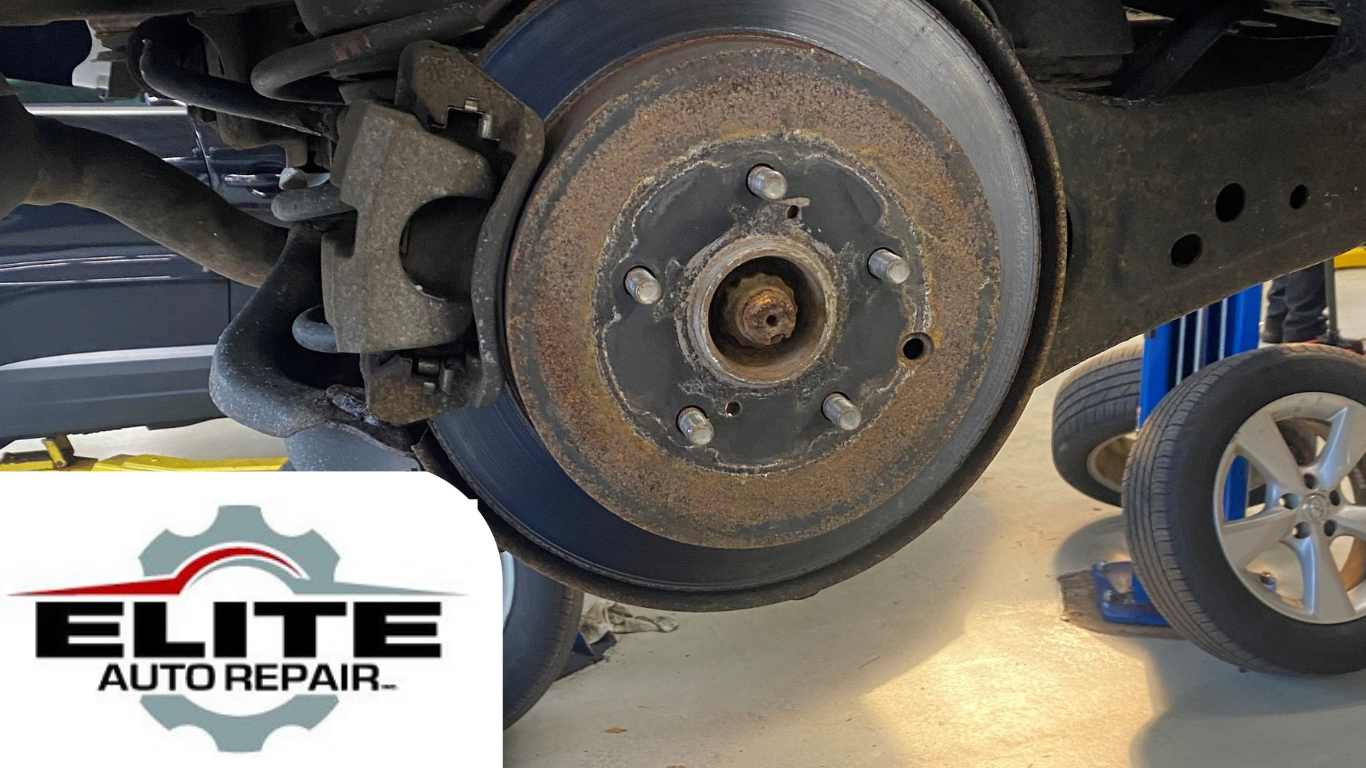
Brake rotors are bare cast iron. Leave a car parked overnight in damp air, or after a rainstorm, and the rotors grow a thin orange film. The first few stops scrape it off, and you hear it.
Living near Narragansett Bay means a lot of humid, salty air, so drivers around here hear this more than most. If the noise is gone after a few stops and the brakes feel normal, it's nothing to worry about.
If the car sits for weeks, it's a different story. The rust gets heavier and can leave grooves or uneven spots on the rotor surface. That shows up as noise that doesn't go away, or a pulsing pedal.
Wear indicators and pad sensors
Many brake pads have a small metal tab built in. When the pad wears down to a certain point, the tab touches the rotor and squeals. It's designed to be annoying. That squeal is the pad telling you it's near the end.
A lot of European cars do this electronically. BMW, Mercedes, Audi, and others use pad wear sensors wired to the dashboard. When the pad wears through the sensor, you get a brake warning on the dash instead of a noise.
If your brakes squeal every time you stop and it doesn't fade after the first few stops, assume it's the wear indicator until someone checks. That squeal is a warning.
European cars also tend to use softer pad compounds that grip well and produce a lot of dark brake dust. Heavy dust on the front wheels is normal for these cars and doesn't mean anything is wrong.
Stop-and-go traffic
Highway miles are easy on brakes. Stop-and-go miles are not. Anyone who drives Route 2, Post Road, or I-95 at rush hour knows how many times you touch the pedal in a single trip.
Lots of short stops from low speed heat the pads unevenly and can glaze them. Glazed pads get a hard, shiny surface that grips less well and tends to squeak. Repeated hard stops from highway speed can also overheat pads and rotors.
You don't need to change how you drive. Just know that a car used mostly for short trips around Warwick will usually go through brakes faster than one that does long highway runs.
Rhode Island has hills in more places than people expect, and riding the brakes down them adds heat too. If you notice a smell or a softer pedal after a long downhill, give the brakes a few minutes of easy driving to cool. If the pedal doesn't come back to normal, have them checked.
Salt and stuck hardware
Brakes have small moving parts: caliper slide pins, clips, and shims. They need to move freely. Road salt corrodes them, and once they seize, the pad can't release fully.
What you get is uneven pad wear, one side wearing faster than the other, noise, and sometimes a pull to one side. It's a common brake problem in salt states like Rhode Island, and a big reason brake hardware matters as much as the pads in any brake job.
Salt also attacks brake lines. If your pedal ever feels different, book a brake inspection right away.
When to stop driving
Most brake noises give you time to schedule a visit. These don't:
- Metal-on-metal grinding
- A brake pedal that feels soft or sinks toward the floor
- A red brake warning light on the dash
- A strong pull to one side when braking
- A burning smell after normal driving
If you notice any of those, call us. If the car doesn't feel safe to drive, tell us that too and we'll help figure out the next step.
Brakes are also part of the Rhode Island state inspection, so a noise you've been living with can turn into a failed sticker.
One last tip. When you call about a brake noise, tell us when it happens. Every stop or only the first few? Only when it's wet? Only at low speed? Louder in reverse? Those details help the technician narrow it down fast.
And if you've already been quoted a brake job somewhere else and want a second opinion, that's fine too. Our digital inspection includes photos of what we find, so you can compare for yourself. You can also set a not-to-exceed amount on our drop-off form.
The short version
- A scrape for the first few stops after rain is surface rust. Usually normal.
- A squeal on every stop is often the wear indicator. Book a check.
- Many European cars warn you with a dash light instead of a noise.
- Stop-and-go driving and road salt both shorten brake life in Rhode Island.
- Grinding, a soft pedal, or a red brake light means get it looked at now.
Brake Repair in Warwick, RI
If your brakes are squeaking, grinding, or just feel different, Elite Auto Repair in Warwick can check them and show you what's going on with photos from our digital inspection. We use OEM or high-quality parts, and most of our repairs are backed by a 3-year/36,000-mile nationwide warranty.
Hearing something new?
Book a brake check. We'll check them and send you photos through our digital inspection before we recommend anything.
Book a brake check | Brake service
Or call us: (401) 244-5909 � Text (833) 965-2754 � 1587 Post Road, Warwick
Common questions
Why do my brakes squeak in the morning and then stop?
Usually surface rust on the rotors from overnight humidity or rain. The first few stops wipe it off. If the noise goes away and the brakes feel normal, it's typically nothing to worry about.
Why does my BMW show a brake warning but make no noise?
Many European cars use electronic pad wear sensors. When the pad wears down to the sensor, you get a dashboard warning instead of a squeal.
Is a lot of brake dust a problem?
On many European cars, heavy dark dust on the front wheels is normal because of the pad compound. It isn't a sign of a problem on its own.
How long do brake pads last?
It varies a lot with the car and how it's driven. Lots of stop-and-go driving wears pads faster than highway miles. The most reliable answer is to have them measured during regular service so you can plan ahead.
Can I drive with grinding brakes?
It isn't a good idea. Grinding often means the pads are worn through and metal is hitting the rotor. Have it checked right away.
About this article. This is general information about brake noise. Brakes are a safety system. If your pedal feels different, your car pulls when braking, or a brake warning light comes on, have it inspected before continuing to drive.