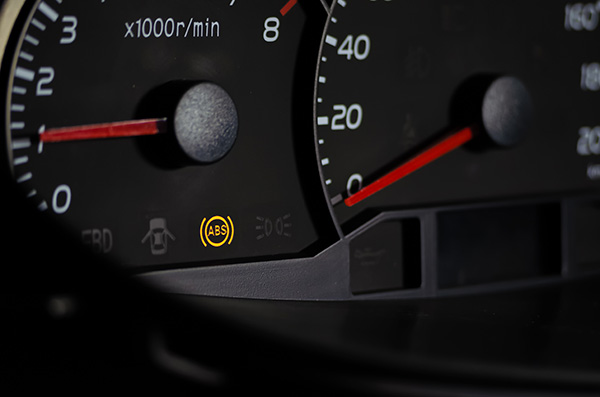
Seeing multiple dashboard warning lights at once can be unsettling. When both the ABS and traction control lights come on, it usually means those systems are not functioning properly. The car may still drive normally, which can make it tempting to ignore.
Those systems are designed to help maintain control, especially in emergencies or poor road conditions. When the lights turn on, the vehicle is letting you know that support may be limited.
Wheel Speed Sensor Issues Are a Common Cause
Both ABS and traction control rely on wheel-speed sensors to monitor each wheel's rotation speed. If one sensor fails or starts sending incorrect data, the system cannot function properly.
When the computer detects inconsistent information, it disables the system and turns on the lights. Dirt, debris, or damage to the sensor can all cause this problem.
Damaged Wiring or Electrical Connections
The sensors and modules that control these systems communicate via wiring. If wiring becomes damaged or connections loosen, signals may not reach the control module correctly.
This can trigger warning lights even if the components themselves are still in working condition. Electrical issues can be harder to spot without a proper inspection.
ABS Module Problems
The ABS module serves as the system's control center. It processes sensor data and adjusts braking pressure as needed.
If the module develops a fault, it may not respond correctly or may shut down entirely. When that happens, both the ABS and traction control lights can turn on at the same time.
Low or Contaminated Brake Fluid
Brake fluid plays a role in how the ABS operates. If fluid levels are low or the fluid is contaminated, the system may not function properly.
While this is not the most common cause, it should still be checked. Maintaining proper fluid condition helps keep braking systems reliable.
Faulty Steering Angle Sensor
Traction control also relies on input from the steering angle sensor. This sensor helps determine the direction the driver intends to go.
If it sends incorrect information, the system may not be able to respond accurately. That can cause the traction control light to turn on, along with the ABS light.
When the Lights Turn On After Repairs
Sometimes these lights appear after suspension, brake, or alignment work. If a sensor is disturbed or not recalibrated, the system may detect an issue.
In these cases, the fix may be as simple as resetting or recalibrating the system, but it still requires proper inspection to confirm.
Why These Systems Matter for Safety
ABS helps prevent wheel lockup during hard braking, while traction control helps maintain grip during acceleration. When these systems are disabled, the vehicle relies only on basic braking and tire traction.
That does not mean the car is unsafe to drive, but it does reduce the level of assistance available in certain situations.
How Regular Maintenance Helps Prevent Issues
During regular maintenance, technicians can inspect sensors, check wiring, and verify the condition of the brake fluid. These checks help catch early issues before they trigger warning lights.
An inspection also ensures that systems are communicating properly and responding the way they should.
When to Schedule an Inspection
If your ABS and traction control lights are on, it is time to have the system checked. Even if the car feels normal, those systems may not be active when you need them.
Getting it inspected early helps restore full functionality and ensures your vehicle is ready for unexpected conditions.
Get ABS and Traction Control Service In Warwick, RI, With Elite Auto Repair
If your ABS and traction control lights are on, Elite Auto Repair in Warwick, RI, can inspect your vehicle and identify the cause so your systems are working properly again.
Call today to schedule your appointment and drive with confidence knowing your safety systems are fully operational.