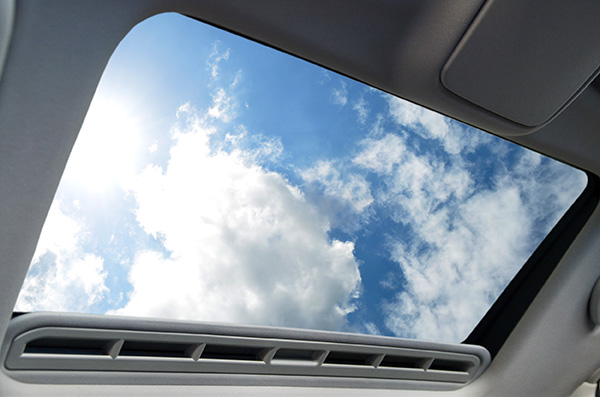
A sunroof leak after a heavy rain usually feels random. One storm hits, and you find a damp headliner or a wet spot on the seat, then the next week, everything seems fine. In reality, most sunroof leaks are caused by water management problems, not the glass itself.
Sunroofs are built to handle some water getting past the seals, but they rely on drains and channels to move that water back out of the vehicle. Let's find out more!
How Sunroofs Are Designed To Handle Water
Most sunroofs are not designed as a perfect watertight seal like a submarine hatch. The glass seal helps reduce wind and keep out most water, but a little water can still get into the sunroof tray. That tray has drain holes that route water into tubes that run down the pillars and out through the body.
When everything is working, you never notice it. During heavy rain, though, more water enters the tray, and the drains have to keep up. If a drain is slow or blocked, the tray overflows and water runs into the headliner and down the pillars.
Clogged Drain Tubes Are The Most Common Cause
The most common reason for a leak is a clogged drain tube. Dirt, pollen, leaves, and even tiny pieces of roof debris can make their way into the drain channels. Over time, the drain holes narrow and water starts backing up. Heavy rain fills the tray quickly, and that backup becomes a spill into the cabin.
Drain tubes can also clog lower down, where you cannot see them. If the tube is partially blocked, water may drain slowly in light rain but overflow during a downpour. This is why the leak might only happen after a major storm or after the car has been parked under trees for a while.
Drain Tube Detachment And Kinks
Even if the drains are clear, the tubes themselves can cause problems. Sometimes the drain tube pops off the sunroof tray fitting, which means water dumps directly into the headliner. Other times, the tube gets kinked or pinched, especially after interior work or if the vehicle has had trim removed in the past.
A detached tube often causes a leak that is localized, like water dripping near a specific corner of the sunroof opening. A kink can create a slower drain that only overflows during heavy rain. Either way, it is usually not the glass seal failing, it is the drainage path being interrupted.
Worn Seals And Misaligned Glass
Seals do wear out, and glass alignment matters. If the sunroof glass is not sitting at the correct height, water can enter the tray faster than normal and overwhelm the drains. A worn seal can also let more water into the channels, especially when rain is driven by wind at highway speeds or when the car is parked at an angle.
Some drivers notice increased wind noise along with leaks, which can point toward alignment or seal issues. Others notice the leak is worse on one side, which can happen if the glass is slightly tilted or if the seal is compressed unevenly. These details help narrow whether the issue is mostly drainage or sealing.
Body Drain Paths And Overflow Points
Even if the sunroof drains are working, the water still has to exit the body. If the drain outlet area is clogged with mud or debris, water can back up in the tube. Some outlets are tucked behind wheel liners or in rocker panels, which makes them easy to block and hard to spot.
Water can also travel in weird ways once it gets inside. It might drip from a grab handle, run down an A-pillar, or show up on the opposite side of the vehicle from the original leak. That is why a proper inspection focuses on the drain system as a whole, not just the wet spot you see.
What You Should Do If You Notice A Leak
Start by drying the interior as soon as you can. Moisture trapped in headliner material and carpet padding can create odors and mildew. If the carpet padding is soaked, the top might feel only slightly damp while the padding underneath is holding a lot of water.
Avoid poking drains with hard wire, because it is easy to puncture a tube or disconnect it. A controlled inspection is the better route. During an inspection, the drain paths can be checked, the tray can be tested with water, and the tubes can be confirmed clear and properly attached. This is also a good item to include in regular maintenance checks if your vehicle lives outside or is parked under trees often.
Get Sunroof Leak Repair In Warwick, RI With Elite Auto Repair
If you’re dealing with water coming in after heavy rain, the next step is to book service so the sunroof drains, seals, and drain outlets can be repaired before the leak spreads and damages the interior.
Schedule service with Elite Auto Repair in Warwick, RI, to stop the leak at the source and keep the cabin dry no matter how hard it rains.